Tips For Photographing Pets
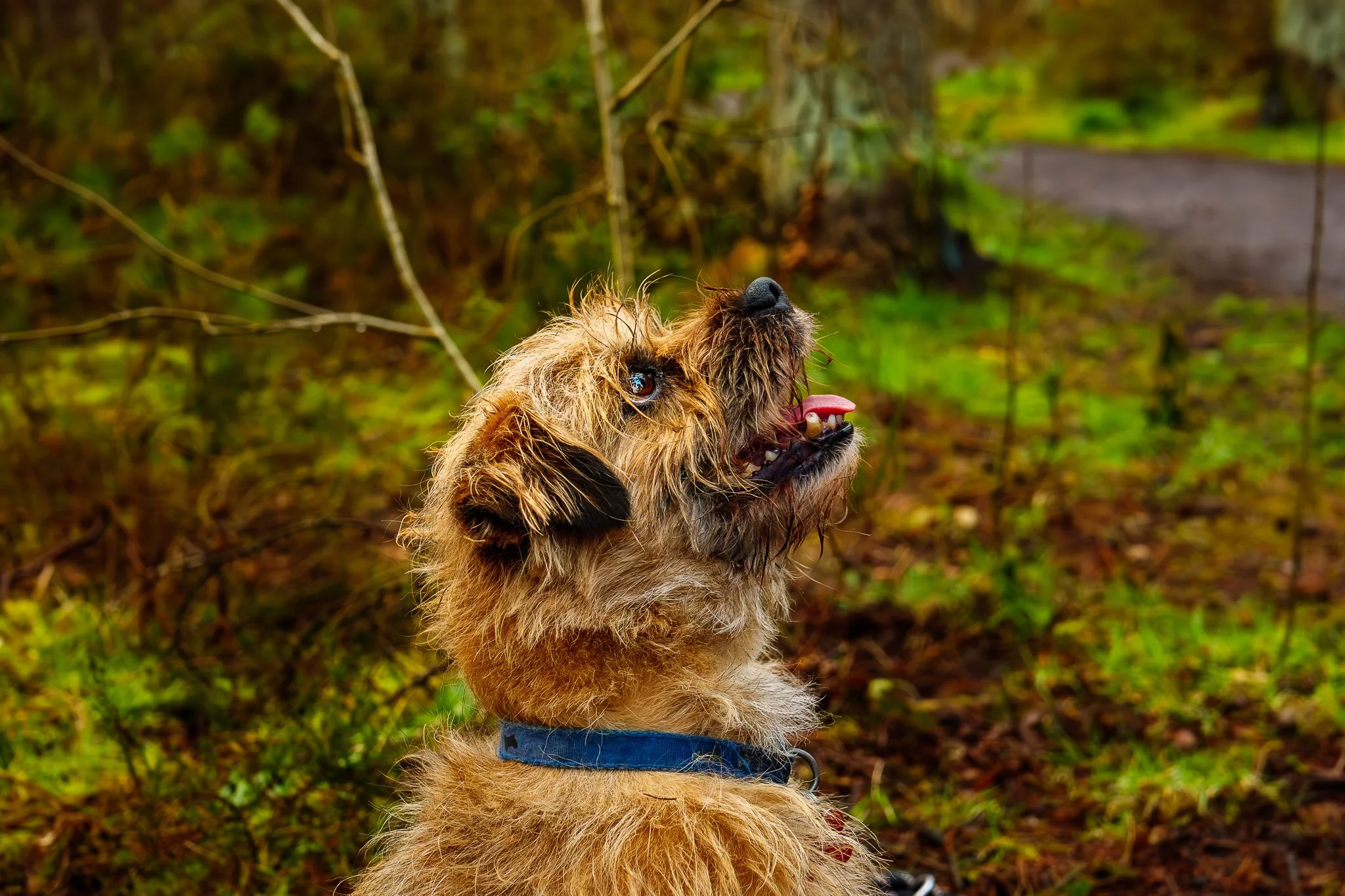
border terrier photographed in the woods
Photographing pets is a mix of patience, timing, and understanding animal behavior. These tips will help you capture sharper, more expressive photos whether you're using a phone or a camera. 📸🐕
1. Get Down to Their Eye Level
Photos look far more engaging when taken from the pet’s perspective.
Kneel or lie on the ground.
Focus on the eyes—they create emotional connection.
Avoid shooting down from standing height unless for a specific effect.
2. Use Fast Shutter Speeds
Pets move quickly—even when they seem still.
Recommended shutter speeds:
1/500s for calm pets
1/1000s or faster for running or playing
This freezes motion and keeps the image sharp.
3. Focus on the Eyes 👀
Sharp eyes make the whole photo feel sharp.
Tips:
Use single-point autofocus.
Place the focus point on the closest eye.
Slightly brighten the eyes during editing.
4. Use Natural Light
Natural light brings out fur texture and color.
Best lighting:
Early morning
Late afternoon (golden hour)
Avoid:
Harsh midday sun
Strong overhead lighting
Look for open shade for soft light.
5. Keep the Background Simple
Busy backgrounds distract from the pet.
Good backgrounds:
grass
trees
neutral walls
distant scenery
Use a wide aperture (f/1.8–f/4) if your camera allows to blur the background.
6. Use Toys and Sounds
To get attention and expression:
squeaky toys
treat bags
whistle or clicking sound
When the pet looks at you, shoot quickly.
7. Capture Personality
The best pet photos show character, not just appearance.
Examples:
playing
running
head tilt
sleeping
interacting with their owner
These moments feel much more authentic.
8. Shoot in Burst Mode
Pets change expressions quickly.
Use continuous/burst shooting so you capture:
ear movement
tongue out
eye contact
mid-run action
You can pick the best frame later.
9. Be Patient
Animals don’t follow posing instructions.
Expect:
missed shots
lots of waiting
sudden great moments
The best photos usually happen between planned shots.
10. Reward the Pet
Treats and praise help keep pets engaged.
Short sessions work best:
5–10 minutes
breaks for play
This keeps them relaxed and cooperative.
💡 Simple beginner setup that works really well:
Eye-level angle
Natural light
Simple background
Burst shooting
Those four things alone dramatically improve pet photos.
